
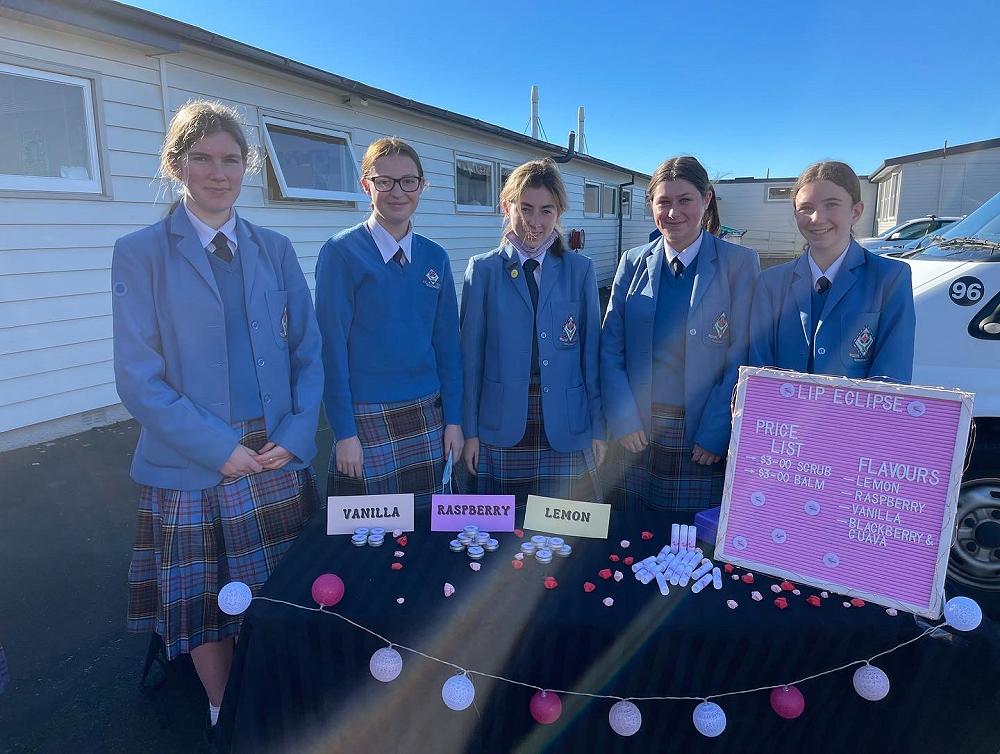
It is the goal of Economics and Business Studies to instill in all an awareness of the world and economy around them and learn practical skills in running a business. We do this through our combination of courses at Years 11-13.
There are insufficient resources in the world for everyone to have what they want, so choices have to be made. Economics looks at the choices consumers (you), producers and the Government make. Economics teaches students to be critical thinkers. There are many ways of achieving an outcome and students learn about the trade-offs involved in decision making. Students develop reasoning and analytical skills that will help them to present and interpret economic data and arguments in a clear and coherent manner.
In Year 12 we teach combination courses, which incorporate the theory of Economics with practical business skills taught in Business Studies. This means that all of our students learn how the economy looks, but also get a practical experience of running their own businesses.
In the Year 13 Business Studies course we follow the Young Enterprise Scheme, where our students run a business and compete with other schools for the national Young Enterprise Scheme competition awards. We have enjoyed success throughout the years with this at both the regional and national level – a particular highlight being the year we won two National Awards. This also teaches our students important skills for interacting with students from other schools as well as local business people.
Year 11: Commerce
Topics:
- This course is based on the Year 11 Commerce course and it will allow students the opportunity for some practical business experience.
- Develop student’s understanding of how organisations make financial and non-financial decisions.
- Provide students knowledge of various stakeholders in organisations and how decisions affect them.
- Help students understand what is required to determine price and how events may impact price.
- Show knowledge of the different sectors of the economy and how they are interdependent.
- Look at different ways to invest money and how to increase savings for the future.
Skills:
- Thinking skills, investigative skills, literacy, research, analysis, problem solving, economic models, group work, application of theory in practical contexts.
- This course requires you to be able to explain changes on graphs and requires a good level of literacy.
Year 12: Economics
Topics:
- This course is applied to the New Zealand economy. It enables students to develop their economic literacy and understanding to a level where you can reason and think critically about economic, social and political issues facing New Zealand.
Skills:
- Group work, literacy, leadership, organisation, planning, report writing, communication, research, time management, thinking skills, investigative skills, decision making skills, problem solving, compare and contrast analysis, critical thinking.
This course requires you to be able to explain changes on graphs and requires a good level of literacy. It also requires report writing and the ability to communicate with others within and outside of school.
Year 13: Economics
Topics:
- This course is applied to the New Zealand economy. It enables students to develop their economic literacy and understanding to a level where they can reason and think critically about economic, social and political issues facing New Zealand, as well as practical business skills.
- An element of this course follows the Young Enterprise Scheme Structure.
Skills:
- Group work, literacy, leadership, organisation, planning, report writing, communication, research, time management, marketing, thinking skills, investigative skills, decision making skills, problem solving, compare and contrast analysis, critical thinking.
This course requires you to be able to research a case study and requires a good level of literacy. It also requires report writing and the ability to communicate your findings.